Dance Machine Embroidery Design Review
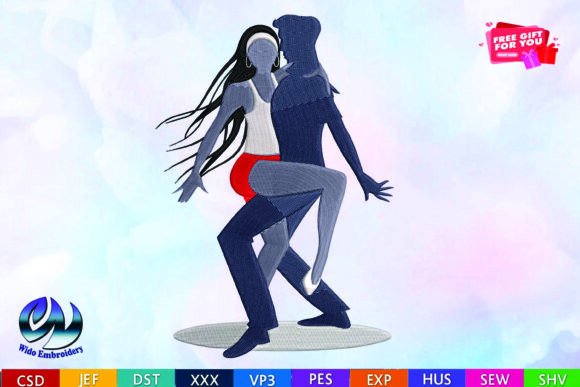
As an experienced embroidery designer who has spent years refining digital files for commercial production, I approach every new asset with a critical eye. The goal is never just decoration; it is about creating a tangible brand experience that withstands the rigors of daily wear and frequent washing. Today, I am reviewing the Dance Machine Embroidery Design, specifically the Bachata Dancers motif described as featuring a couple in a classic dance embrace rendered in deep blues. This review focuses on its viability for small business merchandise, branded patches, staff uniforms, and custom apparel.
First Impressions: Visual Personality and Brand Fit
The description of this design immediately evokes a sense of movement and passion. The mention of "deep blues" suggests a palette that is both professional and elegant, avoiding the overly bright or childish tones often found in generic clip art. For a small business owner, whether running a boutique, a creative studio, or a local café, the visual personality of the Dance Machine Embroidery Design strikes a balance between playful energy and sophisticated class.
In a market saturated with simple text logos, a dynamic illustration of dancers offers a unique storytelling element. It implies that your brand values connection, rhythm, and human interaction. When placed on a tote bag or a product label, this design does more than fill space; it communicates a lifestyle. The "classic dance embrace" creates a focal point that feels warm and inviting, making it an excellent choice for handmade brands looking to add a personal touch to their packaging or promotional materials.
Real-World Application for Small Business Merch
When evaluating this piece for actual production, we must look beyond the screen. How does the Dance Machine Embroidery Design translate from a digital file to a finished physical product? My analysis suggests several high-value use cases for entrepreneurs and Etsy sellers.
- Branded Patches: This design is ideal for creating iron-on or sew-on patches. The dynamic lines of the dancers can be captured beautifully in a patch format, serving as a premium upgrade for denim jackets, beanies, or leather bags sold by your shop.
- Staff Uniforms and Aprons: For businesses like bakeries, florists, or coffee shops where staff wear aprons, a chest logo accent featuring this design adds a layer of personality without being overwhelming. It transforms a standard work shirt into a uniform that reflects the team's spirit.
- Tote Bag Designs: A large-scale application on canvas tote bags works exceptionally well. The deep blue thread colors will pop against natural cotton or dark fabric, creating a statement piece that customers are proud to carry around town.
- Cap Embroidery: While cap front designs require careful consideration, this motif could work well as a side detail or a small chest emblem on structured caps, provided the stitch density is managed correctly.
- Product Packaging Accents: Use this as a subtle detail on garment tags or hang tags. A tiny embroidered version on a product label elevates the perceived value of the item, signaling quality craftsmanship to the buyer.
Strategic Placement for Maximum Impact
The versatility of this embroidery file allows it to function as a primary logo or a secondary design asset. For a boutique selling dancewear, it could be the centerpiece. For a general lifestyle brand, it serves as a thematic accent. The key is consistency. If you decide to use the Dance Machine Embroidery Design across your product line, ensure the scale and thread colors remain consistent to build strong brand identity. Customers recognize patterns, and a cohesive visual language builds trust and recognition over time.
Critical Considerations and Potential Pitfalls
While the artistic merit of the design is clear, an experienced designer knows that execution is everything. There are specific scenarios where the Dance Machine Embroidery Design requires caution to avoid a subpar finished product.
Small Patch Sizes and Cap Fronts: If you plan to shrink this design down for a very small patch or a tight cap front, you risk losing the definition of the dancers' embrace. Complex curves and fine details can merge together if the stitch count is too low relative to the size. Always test the design at its intended final dimensions before mass production.
Stitch Density and Fabric Texture: The description highlights "skillfully rendered" details. In embroidery, high detail often correlates with higher stitch density. On textured fabrics like heavy denim or loose-weave linen, dense stitching can cause puckering or make the fabric feel stiff. Conversely, on smooth, tightly woven fabrics, the design should lay flat and crisp. You must verify that the stitch density is appropriate for the specific material you are using.
Dark Uniforms and Color Contrast: The design features a palette of deep blues. If you intend to embroider this on dark navy or black uniforms, you may need a underlay or a contrasting top thread color to ensure the design stands out. Without proper contrast, the elegance of the deep blues can get lost in the background fabric.
Frequent Washing: For items like aprons or work shirts that undergo industrial laundering, the durability of the design is paramount. Detailed outlines and long stitch runs can snag or unravel if not stabilized correctly. Ensure the design is digitized with sufficient anchoring stitches to withstand the wear and tear of commercial use.
Professional Designer Notes for Production
To ensure your commercial embroidery projects succeed, follow these practical steps before sending any order to the press. These guidelines apply specifically to integrating the Dance Machine Embroidery Design into your workflow.
- Test in Black and White First: Before committing to the deep blue thread colors, run a test in black thread. This helps you visualize the shape, spacing, and negative space without the distraction of color. It confirms that the silhouette of the dancers remains clear even when simplified.
- Check Hoop Size and Stabilizer: Confirm the recommended hoop size for the design. Using the wrong stabilizer for the fabric weight can lead to registration issues where the image shifts during stitching. Always match the stability of the backing to the stretchiness of your fabric.
- Create a Printable Mockup: Before ordering bulk merchandise, generate a printable mockup showing the design on your actual products (e.g., a tote bag or cap). This allows clients or stakeholders to approve the placement and scale visually before expensive materials are cut.
- Review Thread Colors: The description mentions deep blues. Verify that these colors are available in high-quality embroidery thread brands. Cheap threads can appear dull or fuzzy, diminishing the premium feel of the design.
- Inspect Spacing and Outlines: Zoom in on the digital file. Are the outlines thick enough to prevent gaps? Is there enough space between the dancers to prevent the threads from tangling? Inspect the spacing carefully.
- Confirm Commercial Licensing: As a buyer of a digital embroidery file, you must explicitly confirm that the license permits commercial use. Do not assume that purchasing a design allows you to sell hundreds of branded items. Check the terms to ensure you are covered for merch creation.
- Compare Against Other Assets: Place the Dance Machine Embroidery Design beside your existing logo or other design assets. Does it fit the visual hierarchy? Does it compete for attention, or does it complement your brand? Visual consistency is key to a professional presentation.
Final Verdict on Business Value
The Dance Machine Embroidery Design represents a significant opportunity for small business owners to elevate their product line. By capturing the passion of movement through skilled embroidery, you create more than just a garment; you create a keepsake. Whether used as a custom apparel accent, a functional apron embroidery project, or a stylish tote bag design, this asset brings a human element to your brand.
However, success lies in the details. Respect the limitations of the medium, choose the right fabrics, and validate the design through rigorous testing. When executed with care, this design will enhance customer trust and engagement, proving that your brand pays attention to the quality of every stitch. For anyone looking to add a touch of elegance and dynamism to their handmade product offerings, this is a compelling choice worth exploring.