Best Easter Bunny Embroidery Design
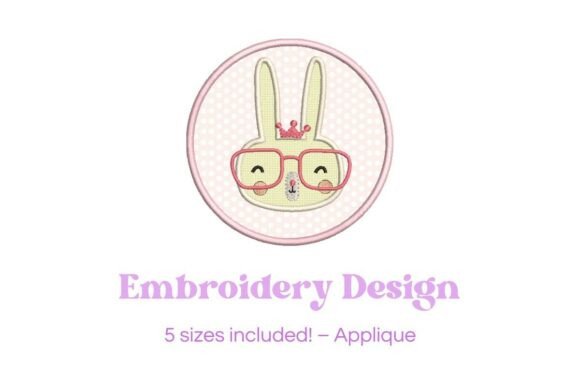
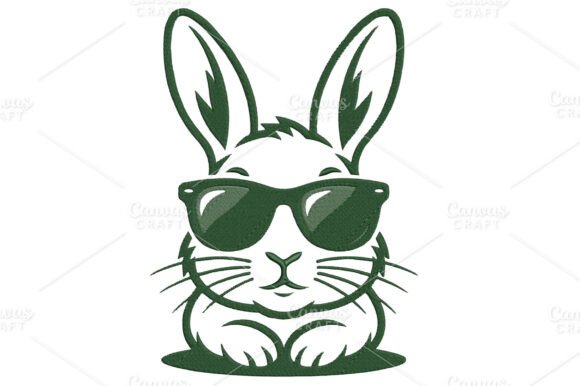
As an embroidery designer who spends weekends hunched over a hoop and weekdays managing a small shop, I have learned that not every digital file translates into a sellable craft fair product. There is a distinct difference between a design that looks pretty on a screen and one that commands attention in person. When I first reviewed the Best Easter Bunny Embroidery Design, my immediate reaction was one of cautious optimism. The concept—a stylish bunny wearing cool sunglasses—suggests a modern, playful twist on a traditional motif. But for a handmade market seller, "playful" must also mean "clear," "repeatable," and "photogenic."
This review breaks down how this embroidery file performs when turned into physical goods, from booth displays to online listings. If you are an Etsy seller, boutique maker, or creative entrepreneur looking to capitalize on the spring season, understanding the practical application of this design is crucial before you commit to batch production.
First Impressions: Modern Meets Festive
The core appeal of the Best Easter Bunny Embroidery Design lies in its personality. Traditional Easter motifs can sometimes feel overly soft, rustic, or farmhouse-heavy. By introducing sunglasses, this design injects a sense of humor and contemporary style. For a craft fair booth, this is a significant advantage. Customers often gravitate toward items that make them smile or feel like they are buying something unique rather than generic. This design strikes a balance between festive and fashionable, making it suitable for a wider demographic than just those seeking classic spring decor.
However, visual appeal in embroidery depends heavily on stitch density and clarity. A design that relies too much on tiny details can lose its impact when stitched onto fabric. In this case, the bold outline of the sunglasses and the clean lines of the bunny’s face suggest a design that holds up well to machine execution. It feels premium rather than cluttered, which elevates the perceived value of the final item.
Product Applications and Market Fit
To determine where this design will shine, we must look at specific handmade products. Not every surface is created equal, and the success of your sales often depends on matching the right design to the right medium.
- Tote Bags: A tote bag design is perhaps the most versatile application. The structured cotton canvas provides a stable base for the stitches. Placing the bunny centrally or slightly off-center creates a balanced look that appeals to shoppers carrying their purchases home. It serves as both a functional item and a walking advertisement for your brand.
- Apron Embroidery: For kitchen enthusiasts, this design adds a touch of whimsy to utility wear. An apron embroidery placement on the chest pocket or lower front works beautifully. The contrast between the playful bunny and the serious nature of cooking gear creates a charming juxtaposition that buyers love.
- Tea Towel Embroidery: Linen or cotton tea towels are high-margin items. The tea towel embroidery allows the design to breathe. Because these items are often folded for display, ensure the design is large enough to be seen even when partially obscured. The sunglasses detail catches the light and draws the eye across the table.
- Embroidered Patch: Converting this into an embroidered patch opens up a new revenue stream. Patches can be sewn onto denim jackets, backpacks, or hats by the end-user. This expands your reach beyond finished goods to design assets that customers personalize themselves.
- Caps and Small Pouches: Curved surfaces like caps present a challenge. You must ensure the hoop size and stabilizer choice accommodate the curve without distorting the image. Small pouches allow for a more intimate viewing experience, where customers can appreciate the thread work up close.
Production Practicality and Quality Control
From a production standpoint, efficiency is key. Can you run this design in batches? Yes. The design appears to have clean edges and manageable color changes, which reduces threading time and potential errors. However, several technical factors must be addressed to ensure consistency.
Stitch Density and Fabric Texture: One of the most critical aspects of any machine embroidery design is stitch density. If the area covering the bunny’s fur or the lenses of the sunglasses is too dense, the fabric may pucker. Conversely, if it is too sparse, the underlying material may show through, ruining the aesthetic. Always test on scrap fabric that matches the texture of your final product. Rough linen or textured towels may hide minor imperfections, while smooth sateen will reveal every flaw.
Thread Colors and Contrast: The effectiveness of the sunglasses relies on strong contrast. Ensure your chosen thread colors pop against the fabric. Dark frames on dark fabric will disappear; light frames on white fabric might lack definition. Experiment with metallic or variegated threads for the bunny’s body to add depth, but keep the sunglasses solid for maximum legibility.
Stabilizer Selection: Using the right stabilizer is non-negotiable. For tote bags and aprons, cut-away stabilizer is recommended to maintain stability during long runs. For lighter fabrics like tea towels, tear-away or wash-away options may suffice, but always verify the weight of the fabric against the stability provided.
Selling Strategy and Visual Merchandising
How does this design perform in a sales environment? In a craft fair setting, visibility is everything. The Best Easter Bunny Embroidery Design works exceptionally well as a focal point. Use it on your booth samples to demonstrate quality. When customers see a professionally executed piece with crisp stitches and vibrant colors, their trust in your other products increases.
For online sellers, creating a printable mockup is essential. Before producing inventory, generate digital images that showcase the design on various backgrounds. Does it look good on a pastel pink background? On a rustic wood table? Testing these visuals helps you understand how the design translates to different marketing channels. A digital embroidery file is only as valuable as the imagery used to sell it.
Consider the narrative. The sunglasses suggest a "cool" or "chill" vibe. Market your products with copy that reflects this attitude. Phrases like "Ready for Spring Break" or "Sunny Days Ahead" align perfectly with the visual cue of the sunglasses, enhancing buyer engagement.
Essential Pre-Production Checklist
Before you launch your small shop product line, adhere to these professional guidelines:
- Test Run: Stitch the design on at least three different fabric types to check for puckering or distortion.
- Inspect Details: Zoom in on the final output. Are the sunglasses clear? Is the bunny’s expression intact? Tiny details can get lost if the resolution is low.
- Confirm Licensing: Verify commercial licensing terms. Just because you bought the file does not always mean you can sell unlimited quantities of the finished product.
- Batch Planning: Estimate how many hoops fit per hour. This helps you price your finished product accurately, accounting for labor and materials.
In conclusion, the Best Easter Bunny Embroidery Design offers a fresh, market-ready option for artisans. Its modern twist on a classic symbol ensures it stands out in a crowded marketplace. By paying attention to technical details like stitch density, fabric choice, and presentation, you can transform this simple embroidery file into a best-selling commercial embroidery item that delights customers and boosts your bottom line.