Botanical Flower Embroidery Design Review
As a designer who spends more time staring at stitch density charts and fabric swatches than sleeping, I approach every new embroidery design with a mix of hope and skepticism. The market is flooded with generic floral patterns that look charming on screen but fall apart under the needle. That is why when I encountered the Botanical Flower Embroidery Design, I decided to put it through its paces before recommending it for any client project or small business inventory.
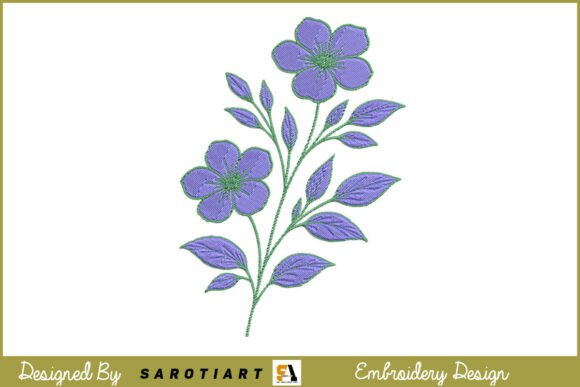
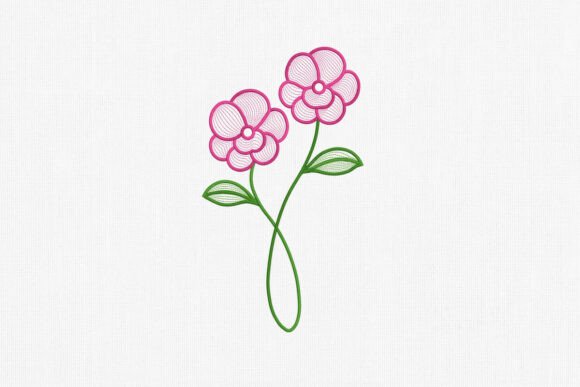
This piece falls squarely into the Single Flowers category, but "single" can be misleading. In embroidery, a single flower often requires more precision because there are no surrounding elements to distract from imperfections. My initial impression of this machine embroidery design was one of quiet elegance. It does not scream for attention; rather, it invites the viewer in. The arrangement feels organic, avoiding the stiff, geometric symmetry that plagues so many digital files. For designers looking to add a soft and elegant touch to their projects, this design offers a sophisticated baseline that works well across various mediums.
The Mood and Visual Personality
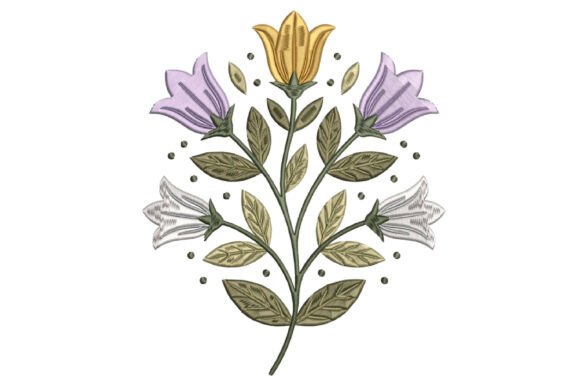
Before we talk about stitching, we have to talk about aesthetics. When you place this embroidery file on a mockup, what story does it tell? The Botanical Flower Embroidery Design exudes a sense of calm and natural beauty. It is not overly detailed in a way that creates visual clutter, nor is it so sparse that it looks unfinished. The grace of the arrangement suggests a hand-picked bouquet rather than a rigid studio composition.
This visual personality makes it incredibly versatile. It fits perfectly into the current trend of slow living and artisanal craftsmanship. For an Etsy seller or a craft business owner, this means your product photography will do half the work for you. The design naturally photographs well against linen, cotton, and denim backgrounds. It signals quality to the buyer before they even read your product description. However, if you are aiming for bold, streetwear-inspired graphics, this might be too subtle. It belongs in the realm of boutique branding, nursery decor, and personalized gifts where sentimentality matters more than shock value.
Real-World Application: From Screen to Stitch
I took this design into my studio with a specific goal: creating a custom embroidered tote bag for a local artisan market. This is a common scenario for small shop products. Tote bags are high-volume items, but they are also unforgiving. If the stitch density is off, the fabric pucks. If the placement is wrong, the handle interferes with the art.
Here is how the Botanical Flower Embroidery Design performed in this real-life scenario:
- Placement Flexibility: The layout allowed me to center it easily on the front panel without worrying about awkward cropping near the seams. It has enough negative space around the petals to breathe, which prevents the "crowded" look that ruins otherwise good designs.
- Thread Contrast: I tested this with both light and dark thread colors. On a natural canvas bag, a muted sage green thread brought out the botanical feel beautifully. On a black tote, a white or silver thread created a striking, modern contrast. This versatility is crucial for custom apparel decorators who need one design to work across multiple SKUs.
- Customer Reaction: At the craft fair, customers gravitated toward this item more than the bolder, graphic-heavy designs. They commented on how "gentle" and "pretty" it looked. This emotional connection is key for handmade product sales. People buy the feeling as much as the object.
Beyond tote bags, I envision this embroidery project thriving on sweatshirts, particularly oversized knit styles where a delicate floral motif adds a touch of femininity to a rugged garment. It would also excel as a chest logo on aprons for coffee shops or bakeries, providing a professional yet welcoming brand identity.
Technical Performance and Stitch Quality
From a technical standpoint, the construction of this digital embroidery file appears sound. The transition between the satin stitch outlines and the fill stitch areas within the petals seems smooth, minimizing jump stitches that can snag or create loose threads. However, as with any embroidery design, the final result depends heavily on execution.
The running stitch details used for stems and leaves appear crisp, provided the tension is set correctly. One area to watch is the center of the flower. If the stitch density is too high here, it can create a bulky lump that distorts the shape of the bloom. If it is too low, the backing fabric might show through. Without exact specifications on the stitch count, I advise testing this on scrap fabric first to find the sweet spot for your specific machine and thread type.
For those considering this for an embroidered patch, the clean edges make it a strong candidate. Patches require durability, and a well-executed satin border on this design would hold up well to frequent handling. It is also suitable for baby embroidery items like burp cloths or muslin blankets, where softness and lack of harsh lines are priorities.
Where to Use Caution
No design is perfect for every surface. There are specific scenarios where the Botanical Flower Embroidery Design might struggle:
- Small Hoop Sizes: If you attempt to digitize or resize this significantly smaller, you risk losing the delicate character of the petals. Tiny versions can turn into blurry blobs unless the original file has exceptional detail resolution.
- Textured Fabrics: While it looks great on smooth cottons and linens, highly textured fabrics like heavy tweed or bouclé can hide the fine details of the flower. The design relies on clarity, which rough textures disrupt.
- Stretchy Fabrics: Knits can distort floral shapes if not stabilized properly. This design requires a reliable stabilizer choice—likely a cut-away for stretchy materials—to maintain its graceful shape after washing.
- Dense Stitch Areas: Avoid placing this over zippers, thick seams, or pockets. The additional bulk can cause needle breakage or uneven feeding through the machine.
Strategic Advice for Sellers and Makers
If you are an Etsy seller or a creative entrepreneur planning to use this design for commercial purposes, consider the following practical steps to maximize your success:
- Test Before You Sell: Never assume a file is ready just because it looks good in software. Run a test stitch on the actual fabric you plan to sell. Check for thread breaks, puckering, and color accuracy.
- Check Licensing: Ensure you have the correct rights to sell finished products made with this design assets package. Some digital embroidery files come with personal-use-only restrictions that could jeopardize your craft business.
- Create Versatile Mockups: Use this design to create printable mockups for different products. Show it on a tote, a pillow cover, and a tea towel. This helps customers visualize the finished product in their own homes, increasing conversion rates.
- Focus on Presentation: The elegance of the Botanical Flower Embroidery Design demands high-quality presentation. Pair it with minimalist packaging and neutral tones to let the embroidery speak for itself. A personalized gift wrapped in brown kraft paper with a simple tag complements this aesthetic perfectly.
- Consider Seasonal Angles: This design is timeless, but marketing it around holidays can boost sales. It works beautifully as holiday embroidery for winter gifts (perhaps with red or gold thread accents) or as spring/summer decor for weddings and baby showers.
Final Verdict
The Botanical Flower Embroidery Design is a reliable, aesthetically pleasing addition to any designer’s library. It avoids the pitfalls of over-complication while delivering a high-end look that resonates with consumers seeking authenticity and beauty. Whether you are creating commercial embroidery pieces for a boutique, crafting personalized gifts for friends, or expanding your small business merchandise line, this design offers a solid foundation.
Its strength lies in its adaptability and its ability to elevate simple garments and accessories. By paying attention to fabric choice, stabilizer selection, and thread contrast, you can ensure that the final output matches the promise of the digital preview. For anyone looking to add a touch of refined nature to their work, this is a wise investment of time and resources.