Coquette Lucky Embroidery Design Review
As an experienced embroidery designer who has spent years refining the look and feel of branded merchandise, I approach every new digital file with a critical eye. When evaluating Coquette Lucky Embroidery Design, I am not just looking for a pretty image; I am assessing its viability as a commercial asset. For small business owners, Etsy sellers, and apparel decorators, the difference between a design that sells and one that gathers dust often lies in technical execution and brand alignment. This review focuses on how this specific machine embroidery design performs when applied to real-world products like patches, caps, aprons, and tote bags.
First Impressions: Personality Meets Professionalism
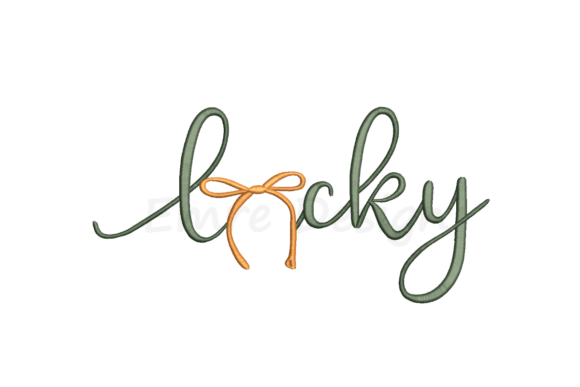
The title Coquette Lucky Embroidery Design immediately suggests a blend of playful charm and festive luck. The description highlights a "fun and whimsical touch," which indicates that this is not a stark, corporate logo but rather a decorative element designed to add personality. In the current market, consumers are drawn to brands that feel authentic and handmade. A design that feels too rigid or overly generic can alienate customers looking for unique goods.
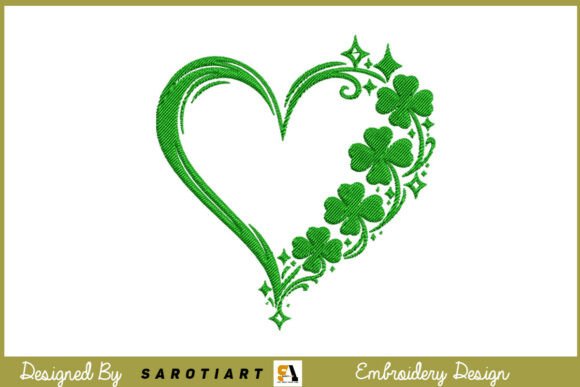
This design appears to strike a balance between elegance and approachability. The term "Coquette" implies a certain flirtatiousness or delicate style, while "Lucky" evokes positive sentiment, particularly fitting for St Patrick S Day themes or general good fortune branding. For a boutique, bakery, or creative studio, this visual personality is crucial. It signals to the customer that the brand cares about aesthetics and detail. However, the challenge for any professional is ensuring that this whimsy does not compromise the perceived value of the product. Does it look like a high-quality finished product, or does it look like a cheap add-on? Based on the description, this design aims to elevate items from standard t-shirts and towels to curated gift pieces.
Real-World Application for Small Business Merch
The true test of any embroidery file is how it translates from a digital screen to a physical object. Let us imagine a scenario where a local café or a handmade shop wants to launch a line of branded merchandise. They need items that staff can wear proudly and customers will want to purchase as souvenirs.
Embroidered Patches are a primary use case here. If you are creating custom uniforms or adding accents to denim jackets, this design could serve as a standout chest logo or a sleeve detail. The whimsical nature of the design makes it perfect for a patch that adds character to a plain work shirt without looking too formal. Similarly, for a florist or pet brand, an embroidered patch featuring this motif could be sewn onto tote bags or product packaging accents, turning simple supplies into memorable brand assets.
In the realm of custom apparel, consider the application on apron embroidery. For a coffee shop or a craft business, an apron with a subtle yet charming design creates a cohesive look for the team. It fosters a sense of community and professionalism among staff while remaining friendly enough for customer interaction. Furthermore, cap embroidery is another strong contender. The front panel of a baseball cap or the side of a trucker hat offers a prime real estate for a design like Coquette Lucky Embroidery Design. It acts as a walking billboard for your brand identity, increasing recognition whenever the wearer steps out.
For Etsy sellers and digital embroidery file buyers, this design is also valuable as a standalone product. You can create printable mockups showing the design on various items—tote bags, towels, home decor—to sell the vision before production begins. This allows you to test the market without committing to expensive inventory. It serves as a versatile design asset that can be adapted for event merch, customer gifts, or limited-run collections.
Navigating Technical Challenges and Limitations
While the potential is high, every professional knows that success depends on understanding the limitations of the medium. There are specific areas where Coquette Lucky Embroidery Design requires careful consideration to avoid disappointing results.
One critical factor is stitch density. If the design features intricate details or fine outlines, it may become muddy when stitched at very small sizes. For instance, if you intend to use this on a tiny label or a small pocket accent, the fine threads might merge together, losing the definition of the "coquette" elements. Always inspect the spacing and ensure the design remains legible when scaled down.
Another consideration is the surface texture. Embroidering on curved surfaces, such as the front of a cap, presents unique challenges. The fabric stretches and shifts, which can distort the design if not hooped correctly. Additionally, textured fabrics like heavy canvas or bouclé can hide the stitches, making the design appear flat or uneven. Dark uniforms present another hurdle; if the thread colors are not sufficiently contrasting against the dark background, the whimsical details may disappear entirely.
Frequent washing is also a key factor for items like work shirts and aprons. Designs with high stitch counts or loose satin stitches may pill or fray over time if not stabilized properly. Therefore, confirming the durability of the finish is essential for commercial projects where longevity is expected.
Impact on Brand Identity and Customer Trust
Every stitch tells a story about your brand. Using a well-executed design like Coquette Lucky Embroidery Design enhances brand identity by visually communicating your values. If your brand stands for creativity, fun, and attention to detail, this design reinforces that message. Conversely, a poorly executed embroidery job can erode customer trust, making even the best products seem cheap.
Professionalism is built on consistency. When your small business merch features clean lines, proper tension, and appropriate thread colors, customers perceive your entire operation as reliable. This design, when used correctly, adds a layer of handmade product appeal that mass-produced items lack. It creates an emotional connection with the buyer, encouraging engagement and repeat purchases. Whether it is a tote bag mark for a craft fair or a logo for a local studio, the quality of the embroidery directly influences the perceived value of the finished product.
Practical Designer Notes for Production
Before you run a single stitch for a commercial project, there are essential steps you must take to ensure success. As a fellow designer, I recommend the following workflow:
- Test in Black and White: Convert the design to grayscale first to check contrast. Ensure the light and dark elements of the Coquette Lucky Embroidery Design stand out clearly without relying solely on color.
- Check Small Patch Sizes: Create a test run at the intended final size. Verify that the smallest details do not get lost or cause the fabric to pucker.
- Review Thread Colors: Select thread colors that complement your brand palette. High contrast is usually safer for visibility, especially on varied backgrounds.
- Inspect Spacing and Hoop Size: Confirm that the design fits within your available hoop area. Large designs may require multiple hoops, which can lead to misalignment if not managed carefully.
- Test on Real Fabric: Do not rely solely on stabilizer tests. Stitch the design on the actual fabric you plan to use to see how it behaves under tension.
- Use Proper Stabilizer: Depending on the fabric texture, choose the right cut-away or tear-away stabilizer to support the weight of the stitches.
- Create a Mockup: Before mass production, create a printable mockup for client approval. This helps visualize the final result and avoids costly mistakes.
- Compare Assets: Place the design beside other design assets in your collection to ensure visual consistency across your brand materials.
- Confirm Commercial Licensing: Most importantly, verify that you have the correct license to use this digital embroidery file for commercial purposes. Unauthorized use can lead to legal issues and financial penalties.
If the product description does not explicitly state the exact stitch count, file format, or recommended hoop size, you must contact the provider or perform your own due diligence. These technical specifications are vital for predicting the outcome of your commercial embroidery projects.
In conclusion, Coquette Lucky Embroidery Design offers a promising opportunity for small businesses looking to add a touch of whimsy and personality to their merchandise. By approaching the project with a professional mindset, testing thoroughly, and respecting the technical constraints of embroidery, you can transform this digital file into a powerful tool for brand growth. Whether for St Patrick S Day promotions or year-round branding, the key lies in execution. With the right preparation, this design can become a beloved part of your product line, enhancing customer loyalty and elevating your brand's presence in a crowded marketplace.