Heartbeat Football Embroidery Design Review
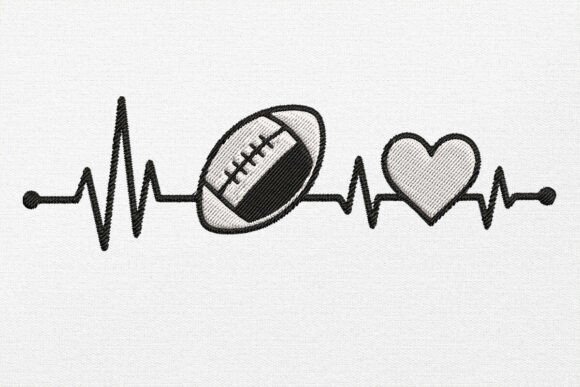
When I first opened the file for the Heartbeat Football Embroidery Design, my initial reaction was one of cautious curiosity. As a designer who spends hours scrutinizing stitch paths and evaluating how digital files translate into physical thread, I don’t just look at the final image; I look at the construction. The product description mentions "elegant wildflowers" and "minimalist style," which suggests a delicate aesthetic. However, the title implies a sports theme. This juxtaposition is interesting. It raises an immediate question: does this design successfully merge the organic softness of floral line art with the structured energy of football, or does it feel disjointed? After running several test stitches on various scrap fabrics, I have formed a clear opinion on where this embroidery project fits best in your portfolio.
First Impressions and Visual Personality
The mood created by this design is distinctly modern and unpretentious. Unlike traditional sports embroidery that often relies on heavy fill stitches and bold team colors, this piece leans into a minimalist approach. The use of line art gives it a graphic quality that feels contemporary. It doesn’t scream "game day"; rather, it whispers "lifestyle." This makes it incredibly versatile for today’s market, which favors subtle branding over loud logos.
Visually, the layout appears balanced. If the design incorporates wildflowers alongside the football motif, the contrast between the rigid geometry of the ball and the organic curves of the petals creates a pleasing tension. For the handmade product enthusiast, this balance is crucial. A design that is too busy can look cluttered once stitched, while one that is too sparse might lack presence. This design seems to hit a sweet spot, offering enough detail to be interesting without overwhelming the fabric.
Real-World Application: Where It Shines
In my experience, the true test of any machine embroidery design is its application on finished goods. Here is how I envision the Heartbeat Football Embroidery Design performing in specific scenarios:
- Custom Apparel and Sweatshirts: This design would excel on high-quality cotton sweatshirts or heavyweight t-shirts. Because the style is minimalist, it works well as a small chest logo or a centered back print. It adds a touch of personality without looking like a cheap jersey knockoff. For sweatshirt embroidery, the clean lines will stand out against the textured fabric, creating a premium look that customers are willing to pay for.
- Tote Bags and Canvas Goods: A tote bag design benefits greatly from simplicity. When placed on natural canvas or black cotton canvas, the contrast of the thread will pop. This is an excellent option for an Etsy seller looking to create affordable yet stylish accessories. The design’s versatility allows it to appeal to both sports fans and general craft lovers.
- Baby Items and Nursery Decor: One of the most surprising but effective uses for this design is in baby products. Soft pastel threads applied to a white onesie or a nursery wall hanging can transform a sports motif into something tender and unique. It moves away from aggressive team loyalty and toward a gentle, personalized gift vibe. For baby embroidery, the minimalism ensures that the design remains age-appropriate and cute.
- Kitchen and Home Textiles: Do not overlook the potential for kitchen towels or aprons. A small, embroidered football with floral accents on a linen apron adds a charming, rustic touch. It fits perfectly into the current trend of "farmhouse chic" mixed with modern hobbies. This expands your market beyond apparel into home decor, increasing the lifetime value of the digital file.
Critical Considerations and Potential Pitfalls
While the design has strong potential, there are specific areas where you must exercise caution. Not every fabric and surface is suitable for this particular aesthetic.
Fabric Texture and Stability: Because the design relies on clean lines and potentially fine details (like flower stems), it requires a stable base. Avoid using this on highly textured fabrics like thick chenille or loose-weave burlap unless you are confident in your stabilizer choice. The thread may get lost in the weave, ruining the crispness of the line art. Similarly, stretchy knits can distort thin lines if not hooped correctly, so always use a cut-away stabilizer for stretchy garments to prevent puckering.
Small Hoop Sizes: Be wary of scaling this design down too much. If you attempt to embroider this in a very small hoop size, the individual elements—especially the wildflowers—may merge into an indistinguishable blob. The negative space is likely part of the design’s charm; compressing it too tightly removes that elegance. Test the smallest intended output size before committing to production runs.
Dense Stitch Areas: Although described as minimalist, ensure that any fill sections are not overly dense. Excessive density can make the fabric stiff and uncomfortable, particularly on clothing items that need to drape well. If the design includes satin stitches for outlines, check that they are not too wide, which can cause thread breaks or a bulky feel.
Practical Designer Notes for Execution
To get the best results from this embroidery file, follow these practical steps before you start stitching for clients:
- Test on Scrap Fabric: Never assume a design will work perfectly based on the preview. Stitch it out on the actual fabric type you plan to sell. Observe how the thread interacts with the material.
- Check Thread Color Contrast: Minimalist designs live or die by their contrast. Ensure your chosen thread colors provide sufficient visibility against the background fabric. On dark fabrics, light threads may require a underlay or a different stitch type to appear vibrant.
- Review Stitch Density: Zoom in on the digital preview. Look for areas where stitches might overlap awkwardly or where the fabric could show through. Adjust the settings in your embroidery software if necessary.
- Inspect Small Details: Pay close attention to the finest lines. Are they connected properly? Will they break during trimming? In line art designs, disconnected segments can look like errors rather than intentional gaps.
- Black and White Mockups: Convert the design to grayscale to check the balance. Sometimes color hides compositional flaws. If the design looks unbalanced in black and white, it will likely look unbalanced in color.
- Confirm Licensing: Before selling any finished products, verify the commercial use rights of the digital embroidery file. Some designs allow personal use only, while others permit limited or unlimited commercial sales. Protect your business by reading the fine print.
Final Verdict on Product Value
The Heartbeat Football Embroidery Design offers a fresh take on a classic theme. By blending the unexpected with the familiar, it creates a product that feels special and thoughtful. For the craft business owner, this design opens doors to multiple categories: apparel, home goods, and gifts. It appeals to buyers who want to express their love for sports without sacrificing style.
However, success depends on execution. The minimalist nature demands precision. If stitched poorly, the design will look unfinished. But when executed with care, using proper stabilizers and appropriate thread choices, it becomes a high-value item. It elevates a simple tote bag or sweatshirt into a curated boutique piece. For designers looking to add a touch of elegance to their sports-themed offerings, this is a strong addition to their library. Just remember: the devil is in the details, and in this case, those details are what make the design sing.
Ultimately, this is more than just a custom apparel template; it is a statement piece that bridges the gap between hobbyist crafting and professional design assets. Whether you are creating a personalized gift for a friend or stocking shelves for your small shop product line, this design provides the flexibility and aesthetic appeal needed to engage modern buyers. Treat it with respect, test it thoroughly, and you will find it to be a reliable workhorse in your embroidery workflow.