Kawaii Cat Cactus Hat Embroidery Design Review
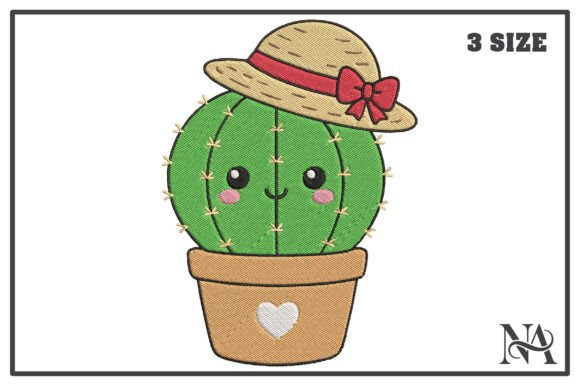
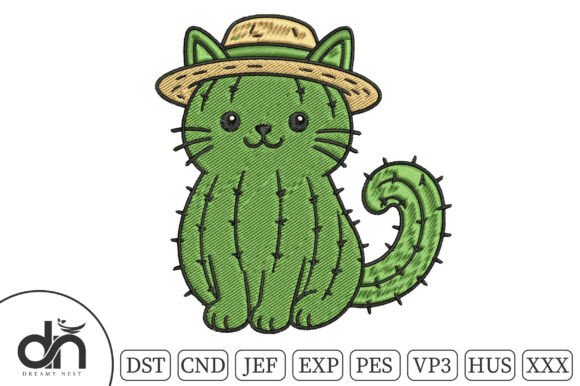
As a designer who spends hours judging the viability of digital files before they ever touch a needle, I approach every new embroidery file with a mix of skepticism and hope. Most designs promise whimsy but deliver confusion in the hoop. However, when I first pulled up the Kawaii Cat Cactus Hat Embroidery Design, I immediately recognized its potential for high-engagement handmade products. This isn't just another generic clipart translation; it is a cohesive visual asset that balances character personality with structural simplicity.
The concept itself—a feline figure integrated into a cactus form, topped with a stylish hat—hits a specific sweet spot in the current market. It appeals to the "plant parent" demographic while simultaneously capturing the universal love for cats. For an Etsy seller or small shop owner, this duality is gold. It allows you to target two distinct audiences with a single SKU. But does it work as a functional machine embroidery design? Let’s break down the practical application, from stitch clarity to end-product value.
First Impressions: Mood and Visual Personality
The immediate appeal of this design lies in its mood. It feels lighthearted, approachable, and distinctly modern. The "kawaii" aesthetic relies on clean lines and expressive features, which translates surprisingly well to threadwork if the digitizing is done correctly. The inclusion of the hat adds a layer of sophistication that elevates the piece beyond a simple cartoon. It suggests a character with attitude, which makes the finished product feel more like a statement piece than a childish doodle.
Visually, the layout is compact yet distinct. The cat-cactus hybrid creates a natural focal point, and the hat provides a nice horizontal anchor at the top. This structure works exceptionally well for centered placements on garments or bags. When you look at the design assets, you can sense that the digitizer understood the importance of negative space. There is no clutter, which means less chance of thread breaks or bulky knots during production. It feels ready for commercial embroidery because it respects the limitations of the medium while maximizing charm.
Real-World Application: Where This Design Shines
In my experience, the success of an embroidery project often depends on matching the design complexity to the product type. The Kawaii Cat Cactus Hat Embroidery Design is versatile enough to shine across several categories, but some applications are clearly stronger than others.
- Custom Apparel and Sweatshirts: Placing this on a crewneck sweatshirt or a high-quality t-shirt is a natural fit. The design has enough visual weight to stand out against cotton blends without looking oversized. It works particularly well as a chest pocket placement or a centered back print for a boutique streetwear vibe.
- Tote Bag Design: Canvas tote bags are a staple for craft businesses. This design fits perfectly on the front panel of a canvas bag. The sturdy fabric holds the stitches well, ensuring that the details remain crisp. It transforms a basic accessory into a personalized gift that customers will actually want to carry around, providing free advertising for your brand.
- Baby Embroidery and Nursery Decor: The soft, playful nature of the cat-cactus makes it ideal for baby onesies, burp cloths, or nursery wall art. Parents are constantly looking for unique, non-generic items for their children. A finished product featuring this design feels thoughtful and custom-made, which justifies a higher price point in a handmade product marketplace.
- Holiday Embroidery and Gifts: Because the design is neutral yet festive in its cuteness, it performs well year-round. It serves as an excellent gift for plant lovers, cat owners, or anyone who appreciates quirky art. During holiday seasons, it can be marketed as a unique stocking stuffer or a hostess gift, especially when paired with appropriate thread colors.
- Embroidered Patch and Accessories: If you plan to create embroidered patches, this design’s contained shape makes it easy to finish with a satin stitch border. It works beautifully on denim jackets, backpacks, or aprons. The hat detail adds a nice textural element that looks great in patch form.
Technical Considerations and Fabric Choices
While the design is charming, practical execution requires careful attention to material and technique. Not all fabrics play nice with detailed digitizing, and knowing where to exercise caution is what separates a professional result from a amateur one.
Fabric Texture and Stability: This design likely utilizes a mix of fill stitch for the body and satin stitch for outlines or details. On textured fabrics like heavy tweed or loose-weave linen, the definition can get lost. Stick to smooth surfaces like cotton twill, fleece, or stable canvas for the clearest results. Similarly, thin fabrics may pucker under the tension of the stitches unless a proper stabilizer is used. Always test on scrap fabric first to ensure the backing doesn’t show through or distort the final look.
Stretchy and Curved Surfaces: Applying this to stretchy knit fabrics or curved surfaces like baseball caps requires skill. If the design is too dense, it may distort on a cap’s curved brim. For caps, consider placing it on the flat front panel rather than trying to contour it. If you are working with stretchy materials, a tear-away or cut-away stabilizer is essential to prevent the fabric from shifting during the stitching process.
Thread Color Contrast: The visual impact of the Kawaii Cat Cactus Hat Embroidery Design relies heavily on contrast. Light threads on dark fabric (or vice versa) will make the details pop. Avoid low-contrast combinations, such as pastel yellow on white, as the fine details of the cat’s face and the hat’s trim may disappear. When preparing your digital embroidery file for production, check the thread color palette to ensure each element is distinguishable.
Stitch Density and Detail Clarity
One of the biggest risks in kawaii-style embroidery is over-saturation. Too many stitches can make a design look muddy and stiff. From a reviewer’s perspective, this design appears to strike a good balance. The use of running stitch for finer details, if present, would help keep the piece flexible and lightweight. However, if the digitizing relies heavily on dense fill stitch for the entire cactus body, the resulting fabric might become rigid.
To maintain professionalism and buyer engagement, inspect the small details closely. Are the eyes clear? Is the hat brim distinct? These small elements define the character. If the design is intended for frequent washing, such as baby clothes or kitchen towels, ensure that the stitch density isn’t so high that it traps lint or wears down quickly. A well-executed satin stitch edge will protect the inner fills and extend the life of the finished product.
Commercial Viability and Branding
For the entrepreneur, the question isn't just "does it look good?" but "will it sell?" The Kawaii Cat Cactus Hat Embroidery Design taps into the growing trend of whimsical home goods and personalized gifts. It is highly "instagrammable," meaning customers are likely to share photos of their purchases, providing organic marketing for your shop.
When listing this on platforms like Etsy, use high-quality printable mockups to showcase the design on various products. Show it on a beige tote bag, a navy blue sweatshirt, and a white onesie. This helps buyers visualize the versatility of the design. Ensure you have confirmed licensing terms before selling finished items or digital products. Commercial embroidery rights allow you to sell the physical goods, while digital resale rights might be necessary if you are selling the file itself. Always clarify these terms to protect your business.
Final Verdict
The Kawaii Cat Cactus Hat Embroidery Design is a strong candidate for any maker looking to add a touch of whimsy to their catalog. It offers a blend of character, trendiness, and structural simplicity that makes it suitable for a wide range of projects, from custom apparel to nursery decor. By paying attention to fabric choice, stabilizer usage, and thread contrast, you can produce a finished product that feels professional, polished, and deeply appealing to your customers.
Before committing to a large production run, always test the design in black and white mockups to check for balance, and stitch a sample on your actual target fabric. If the details hold up and the character shines through, you have a winner. This design has the potential to become a bestseller in your craft business, offering a delightful combination of plant love and feline charm that resonates with a broad audience.