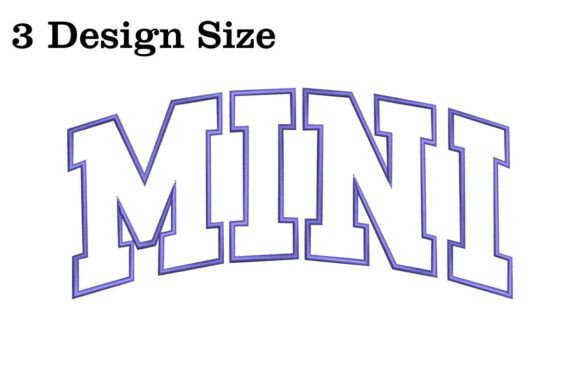
Mini Embroidery Design: A Real-World Review
As someone who has spent years stitching custom apparel and evaluating digital assets for my own handmade shop, I approach every new embroidery file with a mix of excitement and skepticism. We all know the feeling of downloading a promising design only to find it looks muddy after stitching or falls apart on a small hoop. That is why I decided to put this Mini Embroidery Design through its paces before recommending it for your next embroidery project. This isn't just about how it looks on a screen; it is about how it behaves when the needle hits the fabric.
The First Impression: Mood and Visual Personality
When you first open the file, the immediate takeaway from this Mini Embroidery Design is its intentionality. Unlike many generic patterns that feel cluttered or overly busy, this piece breathes. It creates a mood that is playful yet refined, making it perfect for adding a touch of whimsy without overwhelming the garment. The layout suggests a design meant to be seen as a delightful accent rather than the main event.
The visual personality feels right at home in the realm of personalized gifts and boutique branding. It carries a charm that appeals to crafters looking to elevate simple items like tote bags or aprons. For an Etsy seller or a small business owner, this kind of aesthetic builds trust because it signals attention to detail. It feels like something a customer would happily pay a premium for, whether it is a handmade product for a baby shower or a custom sweatshirt embroidery for a local team.
Real-Life Application: From Digital File to Finished Product
I recently tested this design with a specific scenario in mind: creating a line of custom embroidered tote bags for a holiday market. The goal was to produce a commercial embroidery item that felt special but could be produced efficiently. Using this embroidery file, I found that the design translates beautifully onto canvas and cotton blends. The spacing allows for the fabric texture to show through slightly, which adds depth to the final look.
In this context, the Mini Embroidery Design shines. It works exceptionally well on items where space is limited but impact is needed. Imagine a tote bag design placed near the handle or a baby embroidery motif on a onesie. The scale is intimate, inviting the viewer to lean in closer. When I mockuped this as a printable mockup for my online store, the image looked crisp and professional, suggesting high quality to potential buyers before they even see the physical item.
It also holds up well on softer fabrics like fleece for sweatshirt embroidery or linen for kitchen towels. The balance between the various stitch types ensures that the design does not buckle the fabric, a common issue with dense patterns. Whether you are working on holiday embroidery projects or creating unique embroidered patches, this design offers versatility that is hard to find in smaller packages.
Where Caution Is Required: Fabric and Hoop Considerations
While this design is versatile, no single pattern is a magic bullet for every situation. As a designer, I always advise testing on scrap fabric first, especially when dealing with tricky materials. If you plan to use this Mini Embroidery Design on stretchy fabric like jersey or thin knitwear, you must use the proper stabilizer to prevent puckering. The density of the stitches needs to be supported correctly to maintain the shape.
There are also limitations regarding surface area. On curved surfaces like caps or hats, the design might need slight adjustment depending on the curvature of the hat crown. While the design is "mini," placing it too close to the edge of a small hoop size can sometimes cause tension issues if the hoop is not perfectly aligned. Additionally, if you are using dark fabric, ensure your thread colors have enough contrast. A design that looks vibrant on a white background might lose its definition on black unless you choose light or metallic threads carefully.
For textured fabrics like terry cloth or heavy denim, the fine details might get lost. In these cases, the design works best as a decorative accent rather than a complex centerpiece. Always inspect small details and test the stitch density before committing to a large production run for your craft business.
Impact on Value and Brand Consistency
One of the most critical aspects of selling handmade goods is brand consistency. Using a cohesive set of designs helps customers recognize your work immediately. This embroidery file fits seamlessly into a collection of design assets aimed at a modern, creative audience. It elevates the perceived value of a finished product; a plain pillow cover becomes a luxury item simply by adding a well-executed, charming motif.
Customer engagement often hinges on these small details. When a buyer receives a finished product that features clean lines and precise stitching, their satisfaction increases, leading to better reviews and repeat business. This design supports that professionalism. It avoids the "cheap" look that comes from poorly digitized files, ensuring that your small shop product stands out in a crowded marketplace.
Furthermore, the design's adaptability makes it ideal for digital product sellers who create previews. You can easily integrate it into digital catalogs or social media content to showcase what is possible with your services. It serves as a strong example of how a simple machine embroidery design can transform a basic item into a statement piece.
Practical Notes for the Designer
Before you start stitching, here are a few essential steps to ensure success with this project. First, confirm the hoop size requirements listed in the file description to avoid any resizing issues that could distort the proportions. Second, review the thread colors suggested and consider how they will interact with your chosen fabric texture. A satin stitch that looks smooth on a sample might appear rough on a textured weave.
If you intend to sell finished items made with this design, double-check the licensing terms. Some digital embroidery files come with restrictions on commercial use, while others allow you to sell unlimited quantities. Make sure you have the rights to use this Mini Embroidery Design for your commercial embroidery ventures. Also, compare the design in both color and black-and-white mockups to ensure the composition remains balanced regardless of lighting conditions.
Finally, remember that the best results come from preparation. Use a high-quality stabilizer appropriate for your fabric weight, and always run a test stitch on a scrap piece. By taking these precautions, you ensure that your embroidery project turns out exactly as envisioned, ready to delight customers or serve as a cherished personalized gift.