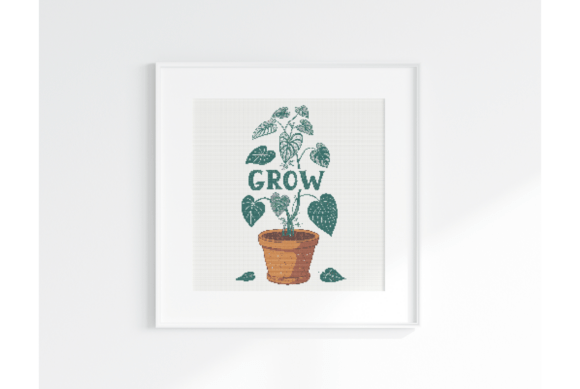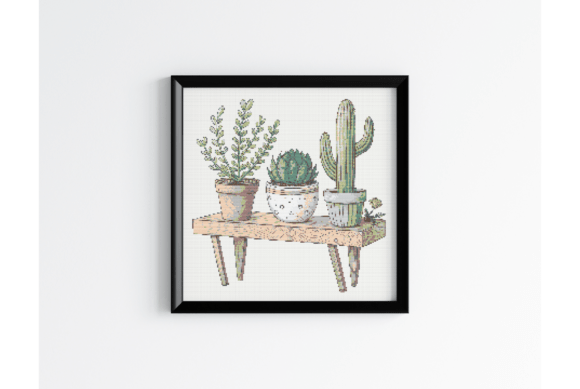
Tiny Monstera Plant Embroidery Chart
As an embroidery designer who spends countless hours planning seasonal collections, I know that the difference between a standard product and a bestseller often comes down to one thing: emotional resonance. When I first pulled up the Tiny Monstera Plant Embroidery Chart, I didn’t just see a pattern; I saw a potential centerpiece for a cozy autumn or spring collection. This Cross Stitch Patterns design carries a distinct modern vibe that appeals heavily to the current market trend of bringing nature indoors. For any Etsy seller or small shop product creator looking to expand their inventory with items that feel both premium and approachable, this digital download offers a compelling opportunity.
The First Impression: Mood and Aesthetic
The immediate appeal of the Tiny Monstera Plant Embroidery Chart lies in its balance of playful charm and sophisticated simplicity. The monstera leaf is no longer just a passing trend; it has become a staple of modern home decor, representing growth, resilience, and a love for green living. In the context of a holiday embroidery or seasonal drop, this design bridges the gap between rustic farmhouse styles and sleek, contemporary aesthetics.
Visually, the chart suggests a design that is clean and legible. Unlike overly complex botanical illustrations that can look muddy when stitched, this embroidery file promises crisp lines and defined shapes. It feels festive without being literal—there are no Santa hats or pumpkins here, which actually makes it more versatile. It works for a "Cozy Home" theme in winter, a "Spring Refresh" in April, or simply as a year-round statement piece. The emotional tone is warm, inviting, and slightly nostalgic, tapping into the desire for comfort that drives holiday shopping behavior.
Real-World Application: Where It Sells
When I evaluate a new digital embroidery file, I immediately visualize where it will live on finished goods. The Tiny Monstera Plant Embroidery Chart is incredibly adaptable across various product categories, making it a high-value asset for your catalog.
- Sweatshirt Embroidery: Placed on the left chest or centered on the back of a cream-colored organic cotton sweatshirt, this design screams "modern cottagecore." It pairs beautifully with earthy tones like sage green, terracotta, and oatmeal.
- Kitchen Towel Embroidery: This is a classic gift item. Stitching the tiny plant onto a linen kitchen towel creates an instant favorite for housewarming gifts or bridal showers. The contrast of the green leaves against white or grey fabric is striking.
- Tote Bag Design: A canvas tote featuring this chart is practical yet stylish. It appeals to the eco-conscious consumer who loves plants. It serves as excellent social media content, as users love posting photos of their plant-themed accessories.
- Pillow Cover: For home decor enthusiasts, a small embroidered monstera on a throw pillow adds texture and interest. It elevates a basic pillow from a store-bought item to a personalized gift.
- Embroidered Patch: You can use this chart to create iron-on patches for denim jackets or backpacks. This expands your reach to customers who prefer detachable accessories.
- Baby Items: On a muslin blanket or a baby onesie, the tiny scale of the design feels tender and sweet, perfect for nursery decor themes.
In terms of marketing, this design is a dream for creating printable mockup assets. Because the subject matter is universally liked, you can easily bundle it with other nature-inspired designs to create a "Plant Lover's Collection," increasing your average order value through cross-selling.
Technical Considerations and Potential Pitfalls
While the aesthetic is strong, every experienced designer knows that execution is key. Before adding the Tiny Monstera Plant Embroidery Chart to your production line, there are several technical factors to consider to ensure customer satisfaction and reduce returns.
- Stitch Density and Fabric Texture: Cross stitch patterns often rely on a grid-based structure. If you are converting this to machine embroidery, you must check the stitch density. Dense areas on large leaves can cause puckering, especially on lightweight fabrics. Always test on your actual target fabric to see how the thread colors interact with the weave.
- Hoop Size Constraints: Ensure the design fits comfortably within your standard hoop sizes. While "tiny" suggests a small footprint, you need enough space around the edges for hooping stability. If the design is too close to the edge, you risk shifting during the run.
- Thread Color Selection: The chart provides a guide, but the physical result depends on your thread brand. Green threads vary wildly in undertone. Test multiple shades of green to find the one that pops against your chosen fabric. On dark fabrics, you may need a underlay or a different stabilizer to prevent the base fabric from showing through.
- Stabilizer Choice: For items like kitchen towel embroidery, a cut-away stabilizer is usually best to maintain integrity after washing. For stretchy garments like sweatshirts, a tear-away or wash-away stabilizer might be preferred depending on the desired finish, but always test to avoid distortion.
- Small Details: Review the fine details of the chart. If there are very small leaves or thin stems, ensure they are visible after stitching. Sometimes, what looks good on screen becomes invisible threadwork in person. If the details are too fine, consider simplifying them or using a higher thread count (like 60-weight) for better definition.
Seasonal Appeal and Brand Consistency
Integrating the Tiny Monstera Plant Embroidery Chart into your seasonal strategy requires a thoughtful approach to branding. During the holidays, consumers are looking for gifts that feel personal and heartfelt. A plant motif symbolizes life and care, making it an emotionally resonant choice for gifting.
However, be mindful of where this design should be used carefully. It may not fit a traditional "Christmas Red and Green" color scheme unless you intentionally subvert expectations with a modern twist. It is less suitable for items that require extreme durability, such as workwear uniforms, due to the delicate nature of cross-stitch-style detailing. Additionally, avoid placing intricate details on highly curved surfaces like baseball caps unless you have specialized digitizing skills, as the perspective can distort the image.
For commercial embroidery businesses, this design offers high perceived value. It allows you to charge a premium for "handcrafted" items because the complexity implies skill, even if the digitization is straightforward. It builds trust with customers who appreciate unique, non-mass-produced aesthetics.
Final Designer Notes
Before you start producing, remember that this is a DIGITAL PRODUCT. Verify the exact specifications provided by the original creator. Check the recommended hoop size, confirm the file format compatibility with your software, and most importantly, review the commercial licensing agreement. Some charts allow unlimited commercial use, while others restrict the number of units you can sell.
By carefully testing the Tiny Monstera Plant Embroidery Chart on various fabrics and paying attention to thread colors and stabilizer choices, you can create a cohesive, high-quality product line that resonates with today’s buyers. Whether you are launching a limited-time holiday drop or building a year-round catalog of home decor essentials, this design provides a solid foundation for creative success.