Wheel Divided Embroidery Design Review
As a designer who spends half the day troubleshooting tension issues and the other half brainstorming unique assets for clients, I am always skeptical of designs that rely heavily on color to carry their weight. Color can be fleeting, but composition is forever. However, Wheel Divided Embroidery Design caught my eye not just for its aesthetic, but for its structural potential in a commercial setting. It falls squarely into the Toys category within Embroidery, which suggests a playful, segmented aesthetic that screams "fun" but requires serious consideration if you are planning to turn it into a high-end handmade product.
The First Impression: Playful Geometry with Commercial Potential
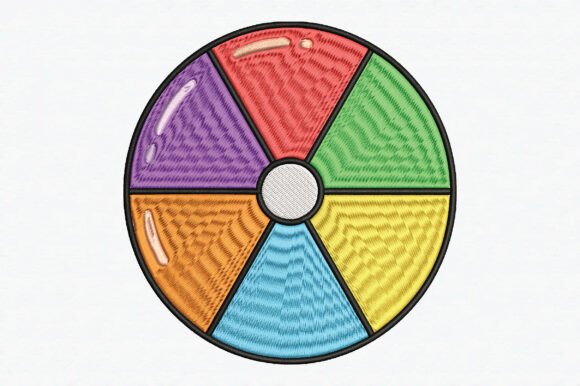
When I first loaded this file onto my machine, the immediate takeaway was the boldness of the segmented circle. It isn’t a subtle watermark or a delicate floral; it is a statement piece. The design features bright, distinct sections that create a visual rhythm. For an Etsy seller or a small shop owner looking to create standout merchandise, this kind of graphic clarity is gold. It translates well from screen to fabric because the shapes are defined. There is no ambiguity in where one section ends and another begins, which is crucial for maintaining brand consistency in your custom apparel lines.
The mood it creates is energetic and youthful. It feels like something you would see on a modern nursery wall art print or a vibrant children’s boutique item. But don’t let the "toy" classification fool you into thinking it lacks sophistication. When executed correctly, this machine embroidery design can elevate a simple canvas tote bag into a trendy accessory. The segmented nature allows for creative thread color choices, giving you the flexibility to match seasonal palettes—think pastel pinks and blues for spring, or bold primary colors for summer campaigns.
Real-World Application: From Concept to Finished Product
I recently considered using this embroidery file for a batch of personalized gifts for a local baby shower event. The goal was to create a set of monogrammed burp cloths and a matching wall hanging. The Wheel Divided Embroidery Design offered a perfect backdrop for text. Because the central area is visually busy with color blocks, placing a clean, simple font in the center (or overlapping slightly) creates a dynamic contrast. It turns a standard gift item into a conversation starter.
Furthermore, this design shines when applied to tote bag design projects. A plain canvas bag can feel generic, but adding a large, colorful segmented wheel on the front gives it an instant artistic flair. It works equally well as an embroidered patch if you plan to sew it onto denim jackets or backpacks. For sweatshirt embroidery, placing this on the chest pocket area or centered on the back can create a striking streetwear vibe. The key here is scale. This design demands space to breathe. It shouldn't be cramped into a tiny corner of a garment.
In the realm of holiday embroidery, this design is versatile. You can swap out the thread colors to fit any occasion. Red, green, and gold segments make it a festive winter piece, while orange, black, and white transform it into a spooky Halloween accent. This adaptability is what makes it a valuable asset for commercial embroidery businesses that need to rotate inventory quickly without sacrificing quality.
Where to Exercise Caution: Technical Limitations
No design is perfect, and understanding the limitations of Wheel Divided Embroidery Design is part of being a professional. While the concept is strong, the execution requires careful planning regarding stitch density and fabric choice.
- Small Hoop Sizes: If you attempt to digitize or use this in a very small hoop, the individual segments may become too narrow. This can lead to puckering or difficulty in stitching precise edges. Always check the hoop size requirements before committing to a small project like a hat brim or a child’s sock.
- Textured and Stretchy Fabrics: The clean lines of the segmented circle rely on smooth surfaces. On highly textured fabrics like heavy bouclé wool or loose-knit stretchy jerseys, the design may lose its definition. The stitches might dig into the texture, blurring the boundaries between colors. For custom apparel made of soft cotton blends or stable knits, it performs beautifully.
- Dense Stitch Areas: If the design uses heavy fill stitch to achieve those solid color blocks, it can add significant weight to the fabric. On thin materials like silk or lightweight polyester, this can cause distortion. Using a proper stabilizer is non-negotiable here. A tear-away stabilizer might not be enough for larger prints; a cut-away might be necessary for durability, especially for items that will undergo frequent washing.
- Curved Surfaces: Attempting to embroider this on a curved surface like a baseball cap can be tricky. The flat geometry of the wheel might look distorted if the fabric stretches unevenly during the hooping process. Test this thoroughly on scrap material that mimics the curvature of your final product.
Designer Notes for Maximum Impact
Before you rush this into production for your craft business, there are several technical checks I recommend. First, always test the design on scrap fabric that matches the type, weight, and stretch of your final product. This reveals how the thread colors interact with the fabric base. A bright yellow segment might disappear on a light beige fabric but pop on navy blue.
Inspect the small details closely. Even though the design is geometric, the transitions between segments should be clean. Look for any unnecessary jumps or messy underlay stitches that could show through on the right side of the fabric. If you are creating a digital embroidery file for resale, ensure that the licensing terms allow for commercial use of the finished physical goods. Many designers overlook this, leading to legal headaches later.
Another pro tip is to review the design in black and white mockups. This helps you assess the value contrast between the different segments. If all the segments have similar brightness levels, the design might look muddy once stitched. Adjusting the thread palette to include both light and dark tones ensures that the segmentation remains visible and distinct. This attention to detail builds customer trust and elevates the perceived value of your handmade product.
Final Verdict: A Versatile Asset for Creative Entrepreneurs
Wheel Divided Embroidery Design is more than just a pretty picture; it is a functional tool for designers who want to inject personality into their work. Its strength lies in its simplicity and boldness. It works exceptionally well for baby embroidery projects, nursery decor, and trendy small shop products. By paying attention to fabric selection, stabilizer usage, and color contrast, you can transform this digital asset into a stunning finished product that stands out in a crowded marketplace.
Whether you are a seasoned pro looking to expand your design assets library or a hobbyist wanting to create unique personalized gifts, this design offers a reliable foundation for creativity. It bridges the gap between playful aesthetics and professional execution, making it a worthy addition to your collection. Just remember to test, adjust, and respect the mechanics of embroidery, and this wheel will spin beautifully on your next project.