Minimal Fish Embroidery Review
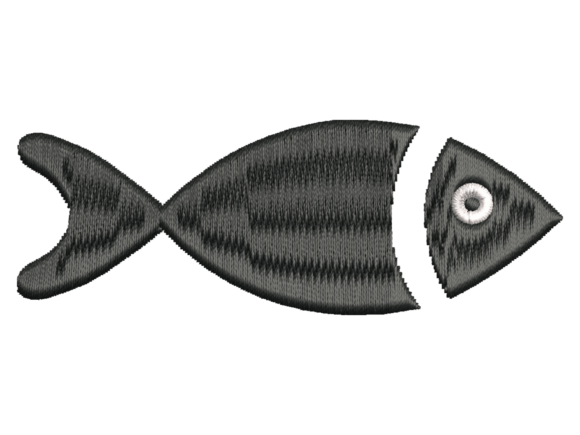
As an embroidery designer who spends weekends hunched over a booth table at craft fairs, I have learned one hard truth: your product has about three seconds to grab a passerby’s attention before they move on. At these events, visual clarity and perceived value are everything. You cannot rely on digital zoom; the customer needs to see the quality with their own eyes. This is why I always approach a new digital embroidery file with a critical eye, asking not just "is it pretty?" but "will this sell?" Today, I am reviewing the Minimal Fish Embroidery design, evaluating its potential for craft fair products, handmade market stalls, and online shops like Etsy.
This review focuses on the practical realities of turning a digital asset into a tangible, profitable handmade product. We will look at first impressions, application versatility, production challenges, and the specific tips needed to ensure this design shines in real-world conditions.
First Impressions and Visual Appeal
The title Minimal Fish Embroidery suggests a clean, modern aesthetic. In the world of handmade goods, "minimal" often translates to premium. When I imagine this design on a display table, I picture something that feels less like a novelty item and more like a sophisticated home decor accent. It likely avoids clutter, relying on negative space and simple lines to create impact.
For a booth display, simplicity is a strength. Busy designs can look messy from five feet away, but a minimal fish motif stands out because it is easy to process visually. It feels fresh, suitable for farmhouse, coastal, or modern rustic themes. This versatility is crucial for an Etsy seller or boutique maker who wants to appeal to a broad audience without committing to a niche that might be too narrow. The design likely carries a sense of calm and elegance, which increases the perceived value of the finished item. Customers are willing to pay more for items that look intentional and high-end rather than mass-produced.
Product Applications and Market Fit
The true test of any machine embroidery design is how well it adapts to different mediums. Based on the minimalist nature of the fish motif, here is how I envision it performing across various commercial embroidery products:
- Tote Bag Design: A single, centered fish on a canvas tote bag is a classic bestseller. It works as a subtle logo placement on the front pocket or as a larger focal point on the main body. The clean lines will pop against natural cotton or denim, making it an instant hit for shoppers looking for sustainable, stylish bags.
- Apron Embroidery: For kitchen-themed booths, placing the fish on the bib or lower pocket of a linen apron adds a touch of personality. It suggests a love for cooking and seafood without being overly literal. This appeals to homeowners who want their kitchen tools to look curated.
- Tea Towel Embroidery: Linen tea towels are high-margin items. A small, precise fish near the hem or corner adds a decorative finish. Because the design is minimal, it does not overwhelm the fabric texture, allowing the weave of the linen to remain visible.
- Embroidered Patch: Converting this design into a patch allows for immense versatility. Patches can be sewn onto backpacks, denim jackets, or hats. A minimal fish patch is particularly appealing for outdoor enthusiasts or those who enjoy personalizing gear.
- Caps and Headwear: Curved surfaces present a challenge, but a simple fish shape is forgiving. It fits naturally on the front panel of a dad hat or a structured cap. The curve of the fish can mimic the curve of the brim, creating a harmonious look.
- Pillow Covers and Home Decor: Larger formats allow the design to breathe. On a throw pillow, the fish becomes a statement piece. This works well in autumn or winter markets where cozy, textural items are in demand.
Photography and Online Listings
In addition to physical sales, you need strong printable mockup assets for your online store. Minimalist designs photograph exceptionally well because they do not compete with busy backgrounds. When creating listings, use neutral backdrops—wood, stone, or soft fabrics—to let the thread colors speak for themselves. The clean lines of the fish will translate clearly into thumbnail images, increasing click-through rates for your shop.
Production Practicality and Challenges
Before adding this to your production queue, you must evaluate the technical aspects. As a professional, I never assume a file will run perfectly. Here are the critical factors to consider when digitizing and stitching the Fish Embroidery.
Stitch Density and Detail
Minimalism can be deceptive. Sometimes, what looks like simple line art requires dense satin stitches to hold its shape. Check the stitch density closely. If the lines are too thin, the fabric may pucker. If the details are too tiny, they may disappear on thicker fabrics like canvas or terry cloth. Ensure that any fine lines in the fish design are robust enough to withstand the hoop tension and needle movement.
Thread Contrast and Color
The success of a minimal design often hinges on thread contrast. If you are embroidering on dark fabric, light threads may get lost if the stitch width is too narrow. Conversely, dark threads on white fabric can look harsh if not balanced correctly. Test your thread colors against your actual fabric stock. Avoid using too many colors; a two-color scheme often looks more professional and reduces hooping time.
Hoop Size and Stabilizer Selection
Confirm the recommended hoop size for the design. If the design is large, you will need a bigger hoop, which limits the types of garments you can embroider (e.g., you cannot fit a large design on a standard baseball cap front). Always use the correct stabilizer. For lightweight fabrics like tea towels, a cut-away stabilizer provides the necessary support to prevent distortion. For stable fabrics like tote bags, a tear-away may suffice, but a wash-away backing ensures no residue remains.
Fabric Texture and Surface Issues
Be cautious with textured fabrics. While linen and burlap look great, their rough surface can cause thread breaks or uneven stitches. Smooth cottons and poly-blends are safer bets for achieving a crisp finish. Also, avoid placing the design over seams, pockets, or thick layers unless you have tested the stability there. A puckered seam will ruin the professional look of your small shop product.
Designer’s Checklist for Success
To ensure the Minimal Fish Embroidery meets your standards for quality and profitability, follow this pre-production checklist:
- Test on Scrap Fabric: Never go straight to the final product. Stitch the design on the exact fabric type and color you plan to sell. Inspect the back for excessive stabilizer show-through.
- Check Spacing and Placement: Use a marking pen to map out the design on your product before hooping. Ensure there is enough border around the edges to prevent cutting off parts of the fish.
- Inspect Stitch Quality: Look for loose threads, bird’s nests, or gaps in the fill. Zoom in on your screen to check for tiny details that might not render well.
- Create Real Mockups: Photograph your test samples in natural light. See how the design holds up under different lighting conditions. This helps you set realistic expectations for customers.
- Verify Licensing: Before selling finished items, confirm the commercial license terms included with the digital embroidery file. Most reputable designers allow the sale of a limited number of finished products, but restrictions vary.
- Batch Production Planning: Consider how many units you can produce in an hour. Simple designs with fewer color changes are faster to stitch, allowing you to increase output during peak market seasons.
Final Verdict
The Minimal Fish Embroidery design offers a strong foundation for a successful line of handmade goods. Its clean aesthetic appeals to modern buyers, and its versatility allows for application on a wide range of products, from tote bags to home decor. By paying close attention to stitch density, fabric choice, and finishing techniques, you can transform this digital asset into a high-quality, desirable craft fair product.
Remember, the goal is not just to embroider a fish, but to create a cohesive brand experience. When your customers pick up your embroidered apron or tote bag, they should feel the quality of the work and the thoughtfulness of the design. With careful preparation and a focus on detail, this design has the potential to become a staple in your collection, driving engagement and sales at both your booth and your online store.