Minimal Shell Embroidery Review
As an embroidery designer who spends weekends hunched over a table at local craft fairs, I have learned one hard truth: your product has about three seconds to catch a customer’s eye before they move on to the next booth. At these events, visual clarity and perceived value are everything. You cannot rely on digital zoom or perfect lighting; you need designs that pop in natural light and look expensive even when stitched quickly. This is why I take every new digital embroidery file through a rigorous mental checklist before committing it to my production queue. Today, I am reviewing the Minimal Shell Embroidery design to determine if it belongs in my lineup for upcoming handmade markets.
The title alone suggests a specific aesthetic: clean, understated, and coastal. In a sea of loud florals and complex geometric patterns, minimalism often stands out because it feels premium. However, "minimal" can also mean "too simple" if not executed well. My goal here is to evaluate whether this design translates from a screen to fabric effectively enough to drive sales for an Etsy seller or a boutique maker looking to expand their inventory.
First Impressions and Aesthetic Appeal
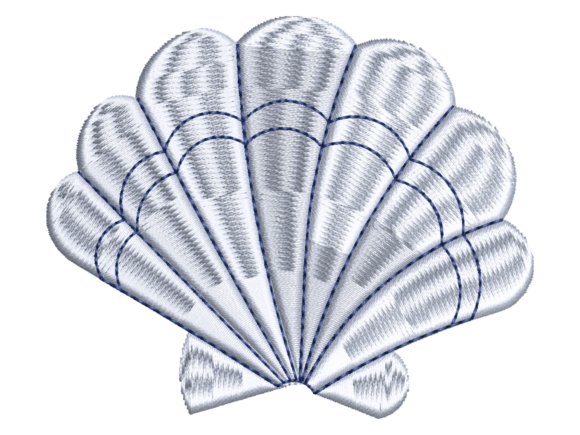
When I first loaded the Minimal Shell Embroidery file into my digitizing software, the immediate takeaway was its elegance. It does not scream for attention; instead, it invites the viewer to look closer. For a craft fair booth, this is a strategic advantage. While bold novelty designs attract quick glances, subtle designs like this encourage touch and inspection. Customers often pick up items with refined aesthetics because they perceive them as higher quality. The shell motif fits perfectly into the current trend of farmhouse, coastal, and modern rustic decor, making it versatile for a wide range of demographics.
The design likely relies on smooth satin stitches or clean running stitches to mimic the ridges of a seashell. This simplicity is crucial for mass production. Complex designs with hundreds of color changes slow down the machine and increase the risk of thread breaks. A streamlined machine embroidery design allows me to produce multiple units efficiently, which is vital for maintaining healthy profit margins at weekend markets where time is money.
Product Versatility and Best Applications
Not all products sell equally well at craft fairs. Linens and accessories tend to move faster than apparel because they require less fitting and sizing anxiety from the buyer. Here is how Minimal Shell Embroidery performs across key categories:
- Tote Bags and Market Bags: This is perhaps the strongest application. A canvas tote bag with a small, centered shell motif looks chic and functional. It appeals to beachgoers, librarians, and anyone who appreciates a clean aesthetic. As a tote bag design, it works best placed slightly off-center or near the bottom hem to create a balanced, asymmetrical look.
- Apron Embroidery: Kitchen linens are high-impulse buys. Placing this design on a white or cream linen apron adds a touch of sophistication without overwhelming the garment. It signals that the owner cares about details, which resonates with home cooks and bakers.
- Tea Towel Embroidery: Similar to aprons, tea towels are affordable entry-level products. They make great add-on items at checkout. The shell motif pairs beautifully with neutral tones, reinforcing a cohesive brand identity for my shop.
- Embroidered Patches: Converting this design into a patch format opens up a new market. Patches can be ironed onto denim jackets, backpacks, or beanies. A single shell patch is a low-cost item that encourages impulse purchases from customers browsing my display.
- Caps and Headwear: Curved surfaces can be tricky. If the design is too large, it will distort. However, a small, compact shell works well on the front panel of a structured cap, offering a subtle nod to nautical themes without being costume-like.
Photography and Online Presentation
For those of us selling online via Etsy or our own websites, the printable mockup is just as important as the physical product. Minimalist designs photograph exceptionally well because they leave negative space for text overlays or lifestyle props. When creating listing images, I imagine placing the embroidered shell on a wooden surface next to dried flowers or actual seashells. This creates a narrative that sells the *feeling* of the product, not just the stitch count.
The clean lines of Minimal Shell Embroidery ensure that the focal point remains sharp in photos. Unlike busy patterns that can blur in low-light conditions, this design retains its integrity, ensuring that what the customer sees online matches the finished product they receive. This consistency builds trust and reduces return rates.
Production Challenges and Careful Use Notes
While the design is elegant, there are practical considerations that could affect its success. First, we must consider stitch density. If the shell design relies on very fine details, stitching it at a small size (such as 2 inches) might result in muddy edges or lost definition. It is essential to test the design at various scales. If the details are too tiny, the design may lose its impact and look like a smudge rather than a shell.
Fabric choice is another critical factor. Textured fabrics, such as heavy waffle-weave towels or thick denim, can obscure fine embroidery. On such materials, the design needs to be larger or use thicker threads to stand out. Conversely, on smooth cotton or linen, even small details will render beautifully. Additionally, dark fabrics require a different approach. If the design uses light-colored threads, a backing stabilizer might show through, or the contrast might be insufficient. Always check thread contrast against your target fabric before starting a batch.
Another common pitfall is hoop burn or distortion. Shells often have curved shapes that can stretch the fabric if the hoop is too tight. Using the correct stabilizer—likely a cut-away for stability and a tear-away for easy removal—is non-negotiable. Failure to use proper stabilization can lead to puckering, which ruins the premium feel of the item.
Strategic Selling Points for Craft Fairs
At a craft fair, storytelling sells. The Minimal Shell Embroidery design allows for a strong narrative around relaxation, nature, and simplicity. I can position these products as gifts for teachers, housewarmings, or self-care treats. The versatility of the design means it appeals to men and women alike, broadening the potential customer base.
Furthermore, this design supports brand consistency. If my booth features other nature-inspired elements, the shell motif ties everything together. It creates a curated look that makes the entire display feel more professional and intentional. Buyers are more likely to purchase multiple items if they perceive a cohesive collection rather than random individual pieces.
Essential Designer Checklist Before Production
Before I commit to producing a large run of Minimal Shell Embroidery products, I follow a strict protocol:
- Test on Scrap Fabric: Never assume a design will work on the final material. Stitch it out on the exact fabric type I plan to sell.
- Check Hoop Size: Ensure the design fits comfortably within standard hoop sizes to maximize efficiency and minimize re-hooping.
- Review Thread Colors: Test different thread shades to see which offers the best contrast and visual appeal.
- Inspect Stitch Density: Look closely at the digitization for any areas that might cause thread breaks or bunching.
- Create a Real Mockup: Produce one full sample and photograph it in natural light to assess its market readiness.
- Confirm Licensing: Verify that the commercial embroidery license allows for unlimited sales of finished goods. This is a legal necessity for any serious business.
In conclusion, Minimal Shell Embroidery is a strong candidate for my craft fair inventory. Its clean aesthetic, versatility across multiple product types, and ease of production make it a practical choice for both physical markets and online shops. By paying close attention to fabric selection, stabilization, and presentation, I can transform this simple digital file into a high-value handmade product that customers love. It embodies the quiet confidence that sells best in today’s crowded marketplace.